Why Dew Point Measurement is Key to Hydrogen Fuel Quality
The demand for hydrogen fuel cells is growing rapidly. According to research analysts, the market is expected to reach a global net worth of approximately $60 billion by 2030, achieving a compound annual growth rate of 60%. Decarbonizing all forms of transportation is a key focus, with hydrogen - powered trains, ships, aircraft, and road vehicles currently under development. Management consulting firm McKinsey predicts that heavy - duty commercial vehicles will be one of the fastest - growing segments, with 850,000 hydrogen - powered heavy - duty trucks on European roads by 2035. The consulting firm estimates that these vehicles will require at least 4,800 hydrogen refueling stations across the continent.
If we are to achieve decarbonization and meet the global net - zero emissions target, the adoption of hydrogen as a clean energy source is crucial. However, there is considerable debate regarding the different production and distribution methods of hydrogen, as they result in varying levels of carbon emissions. Equally important, if hydrogen fuel is to be widely accepted, it is necessary to ensure that the gas delivered to the point of use meets the highest quality and safety standards and is free from potential contaminants - no one wants to see hydrogen vehicles fail due to contaminated fuel.
Hydrogen Contamination
Hydrogen can be produced at central power plants (usually using steam methane reforming), or near the point of use using electrolyzers to convert the chemical energy of hydrogen into electrical energy or generate hydrogen from water for distribution to vehicles. In each case, there are inherent risks from contaminants, including particulate matter, trace gases such as carbon dioxide, nitrogen, and hydrogen sulfide, as well as humidity. These contaminants can affect the efficiency and reliability of power - generation systems (especially proton - exchange fuel cells), as well as the purity of the hydrogen produced.
Moisture Measurement & ISO 14687 - 2
Water may be a key raw material for electrolysis, but if water vapor is carried into the hydrogen, it can cause significant problems in distribution, storage, and on - board systems. For example, water vapor can condense and cause corrosion of metal surfaces, and at low temperatures, it can freeze and block pipes and valves in the distribution system, or affect the operation of compressors and the functionality of on - board storage tank units and fuel cell components. In aerosol form, water vapor can also act as a transport medium for water - soluble impurities and as a solvent for elements such as sodium, potassium, and calcium.
Hydrogen production or refueling stations typically include gas drying units, as well as sensors that may be used for humidity measurement or dew point monitoring. These are crucial for ensuring that the natural gas purity remains at a predetermined level and meets the requirements of infrastructure and refueling operators. In Europe, this is currently part of the specified ISO standard 14687 - 2, which states that the maximum allowable concentration of water in hydrogen used for road vehicles and polymer electrolyte membrane fuel cell (PEMFC) production should not exceed 5 μmol mol⁻¹ at the dispenser nozzle.
Dew Point Measurement Technologies
Accurately and consistently measuring the moisture dew point in hydrogen fuel cells and refueling stations is not always straightforward. The complexity of the systems, different operating pressures and temperatures, and the evolution of new and commercially viable power - generation equipment place rather high demands on the performance, accuracy, and consistency of dew point monitoring and measurement instruments.
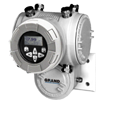
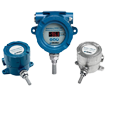
Equipment such as Michell Instruments' Easidew dew - point transmitter has been developed to meet the demands of demanding applications and is widely used in traditional compressed natural gas processing and distribution networks.
The latest Easidew transmitters have intrinsic safety standards, with ATEX and IECEx ratings, and can be optionally used at operating pressures of up to 52.5 MPa (525 Barg). Michell has the design knowledge and capabilities to work at ultra - high pressures and at qualified pressures exceeding 100 MPa (1000 Barg). This makes the Easidew an ideal choice for hydrogen refueling stations, where they can be installed online between the drying and final compression stages to measure the gas quality immediately before distribution. It is also extremely accurate, repeatable, robust, compact, and easy to install, and is supported by comprehensive technical, application, and recalibration services.
The Importance of Hydrogen Quality Assurance
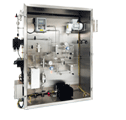
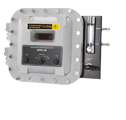
The use of Michell Instruments' Easidew dew - point transmitters and high - performance analyzers is crucial for effectively controlling the quality of hydrogen at all stages of production, distribution, and use. These instruments ensure production efficiency, consistency, and reliability. Equally important, they also provide safety and peace of mind, which are essential for ensuring the widespread commercial and consumer acceptance of hydrogen as a fuel of the future.













 Consultation Tel.
 Product Center
 Solution
 Home
Home