Considering the various environmental variables that affect water vapor and measurement, it is important to precisely know which type of instrument and technology will enable you to make the most accurate measurements in any given application. It is also crucial to understand the various factors in the application that can influence different types of measurement techniques.
When choosing an instrument and the related technology, consider the following 10 questions to ask and answer:
1.Why measure humidity?
2.What parameters do we need to quantify water vapor?
3.What is the expected measurement range? Temperature? Relative humidity? Pressure?
4.What kind of performance do we need? Uncertainty? Long - term stability? Response time? Output resolution?
5.What type of output do we need?
6.What is the most suitable mechanical configuration?
7.What is the composition of the air or gas being measured?
8.What are the installation requirements?
9.How much are we willing to pay for the required performance?
10.What support should I expect from the manufacturer after the after - sales service ends?
The answers to these questions will guide you in choosing the technology and configuration of the hygrometer. Given the difficulties in measuring humidity, the confusing claims of many humidity instrument suppliers, and the wide range of costs and quality for seemingly identical specifications, how do you select a suitable and accurate instrument for a specific application?
Note: Since there is no true physical standard for relative humidity calibration, inaccurate specifications of humidity instruments are a common problem among instrument suppliers - more common than in many other types of instruments.This abuse results in limited value of specifications when comparing instruments from different manufacturers. You must delve deeper into the specifications and claims of the instrument manufacturer.
Carefully examine the supplier's claims and supporting documents in the following aspects:
· Sensor linearity
· Temperature constancy
· Hysteresis
· Calibration error
· Long - term stability of the sensor and electronics
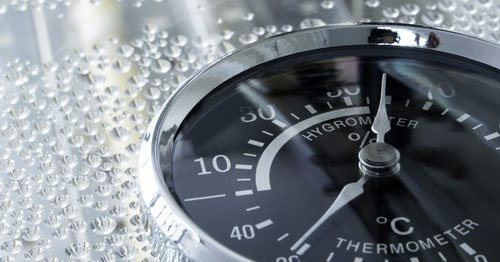
Myth/Fact: Not all humidity sensor specifications are created equal. Accuracy specifications are created by manufacturers, and each manufacturer assigns them differently. Accuracy can be expressed within a very narrow range, based on a short period in a benign environment. That's why it's important to evaluate accuracy specifications with a critical eye.
Questions:
· What are the specified humidity and temperature ranges?
· What happens to the specifications as the sensor ages?
· Are there contaminants that affect accuracy?
· Will certain humidity and temperature conditions affect the long - term stability of the sensor? (i.e., high temperature + high humidity)
· Does the specification include all sources of error such as hysteresis, temperature dependence, linearity, and calibration?
· What are the type, conditions, and uncertainty of the standards used to determine the specification?
The answers to these questions will help you understand the significant differences between low - cost and high - end hygrometers, and what to expect in terms of their performance levels.













 Consultation Tel.
 Product Center
 Solution
 Home
Home